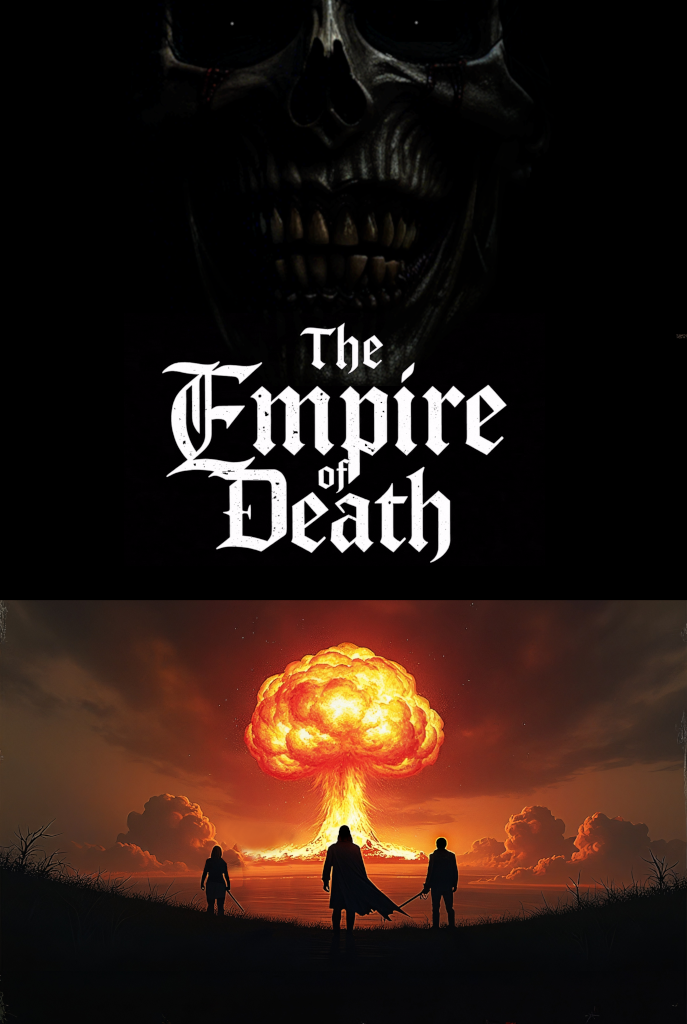
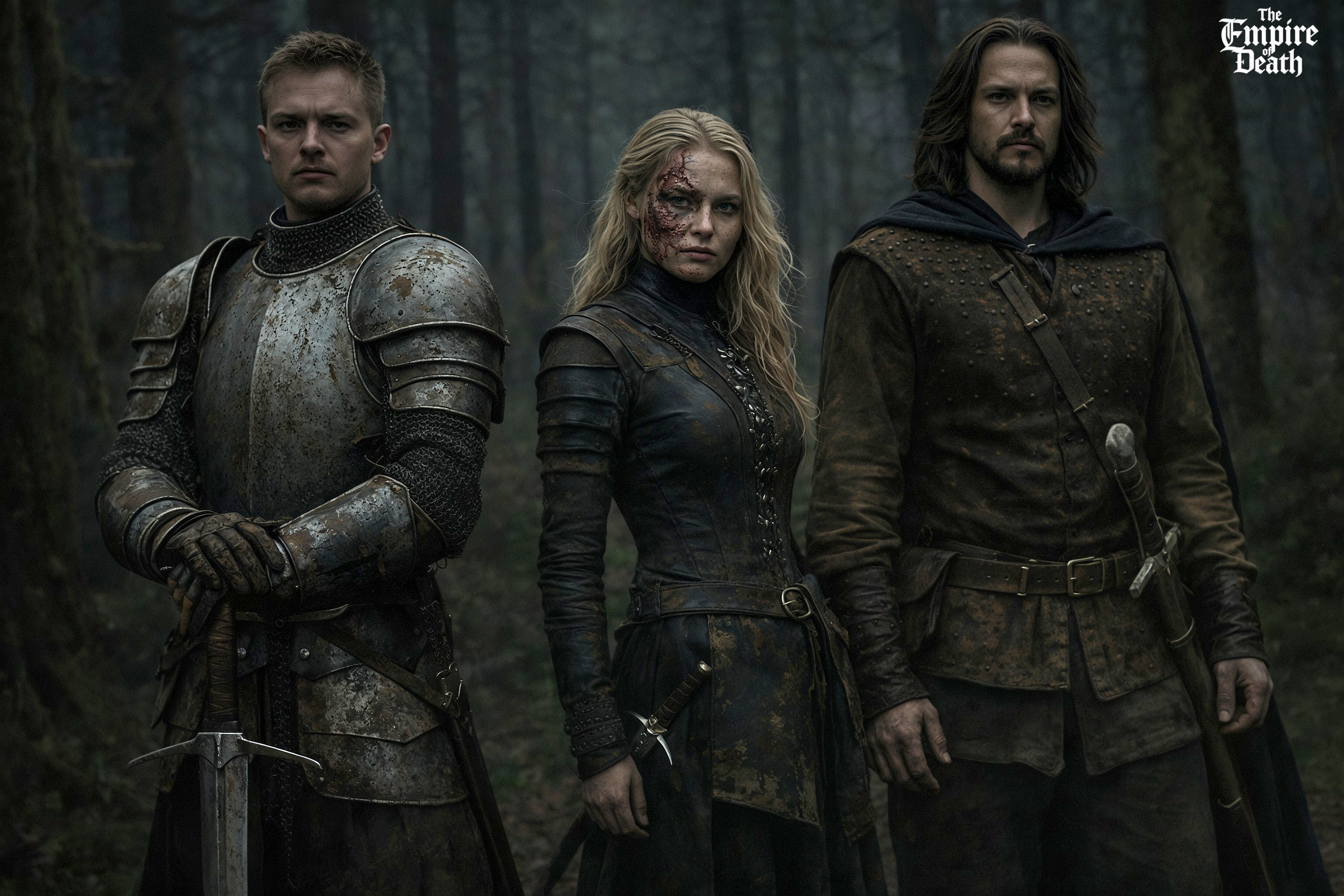
We’ve dedicated extensive time to designing the mechanics of The Empire of Death, crafting a comprehensive » TRPG ruleset that is simple, robust, and intuitive for any RPG enthusiast.
Core Mechanics
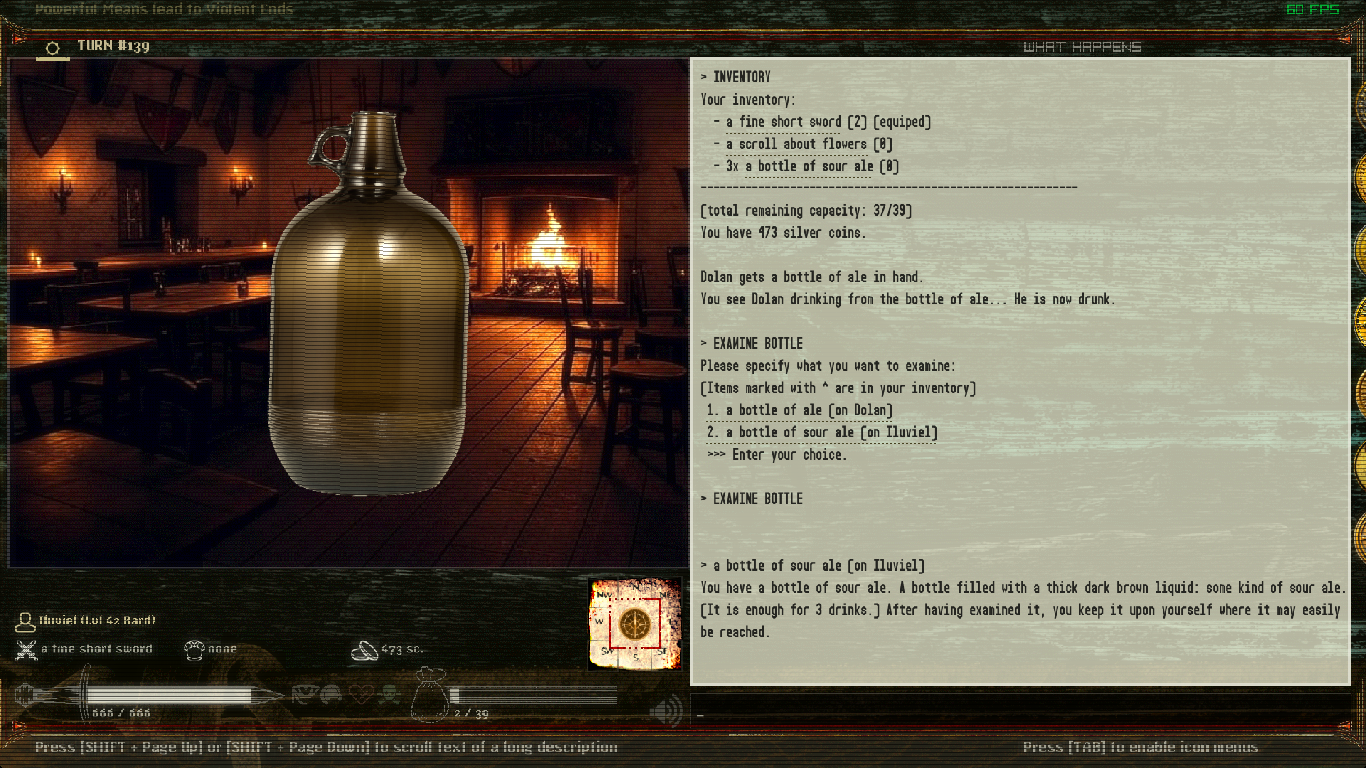
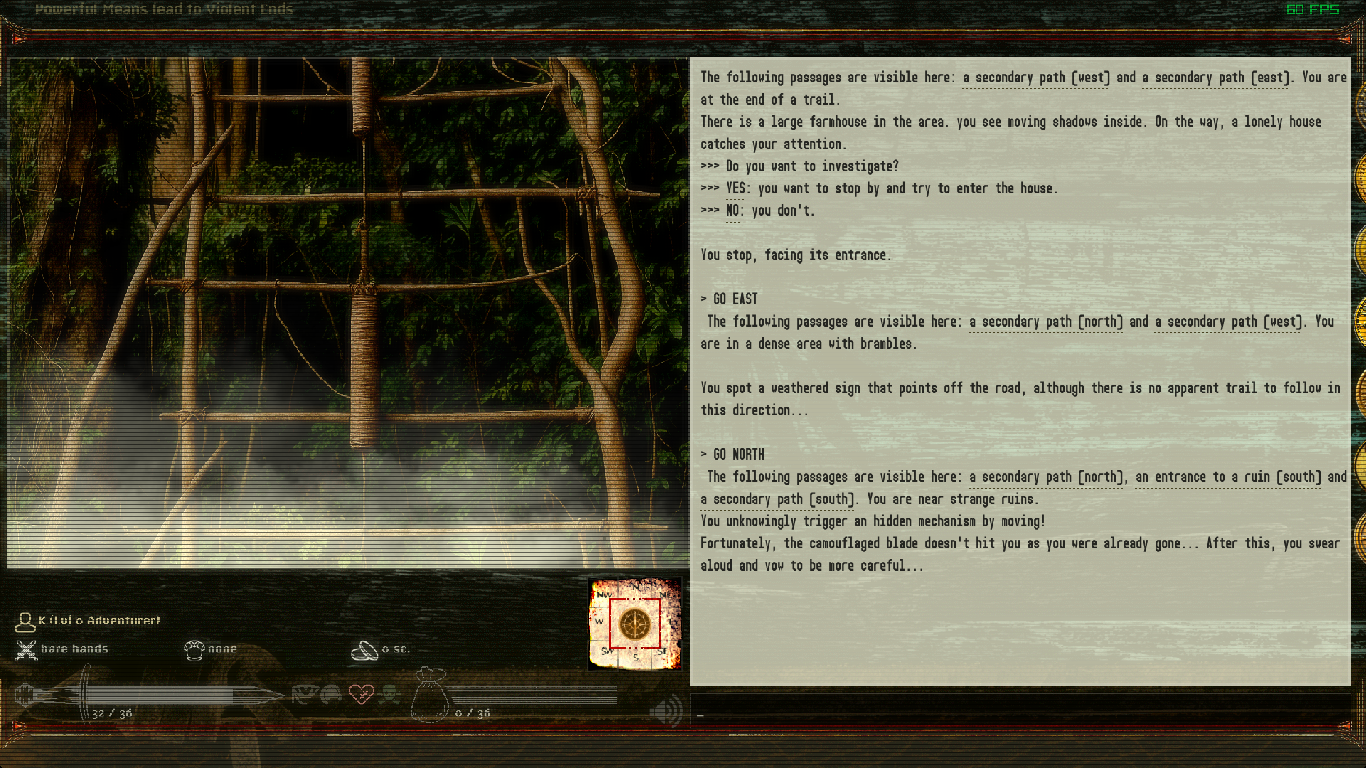
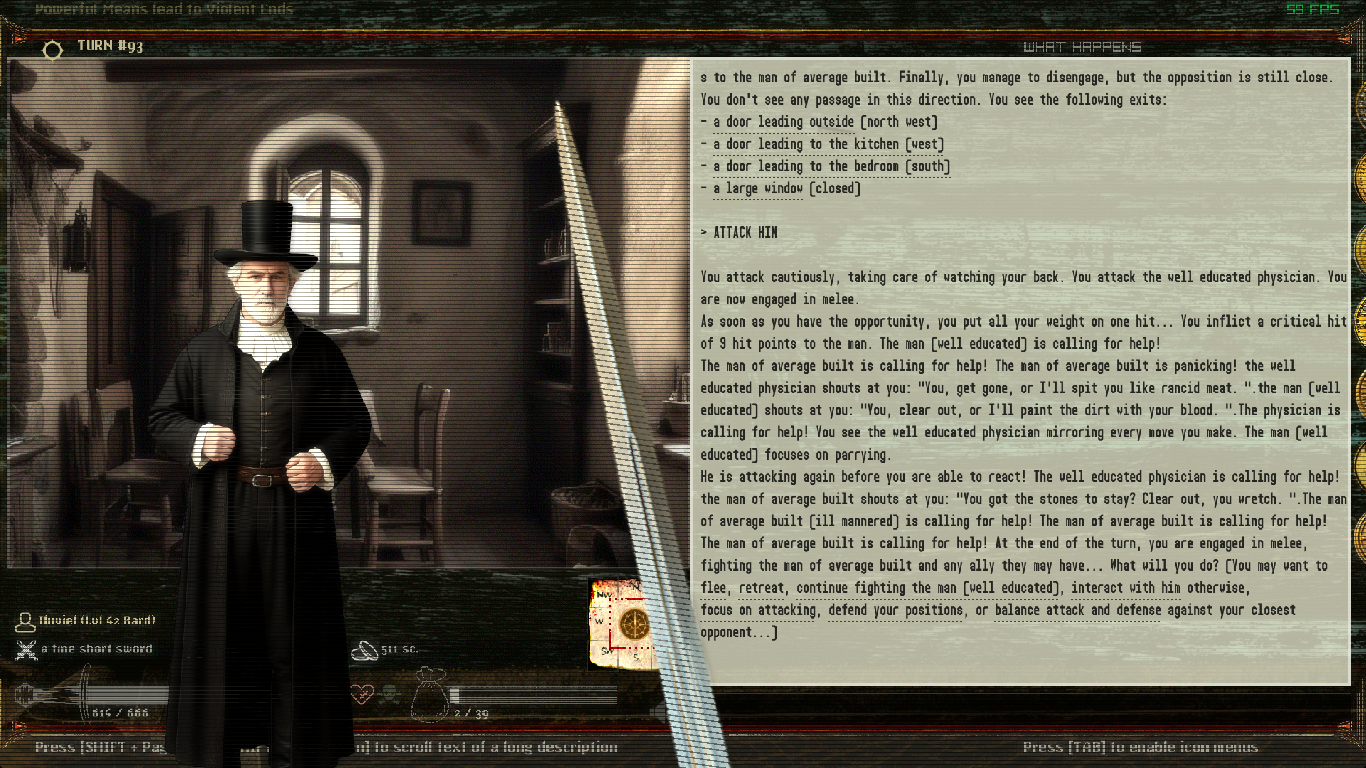
All actions are resolved by rolling dice behind the scenes, with bonuses or penalties applied based on context, character attributes, items, and traits. The result is compared to a fixed difficulty or an opponent’s roll (e.g., in combat or detection scenarios). The difference in experience or raw power between characters—or the lack thereof—enables quick resolutions. Critical successes and failures can dramatically alter the course of events.
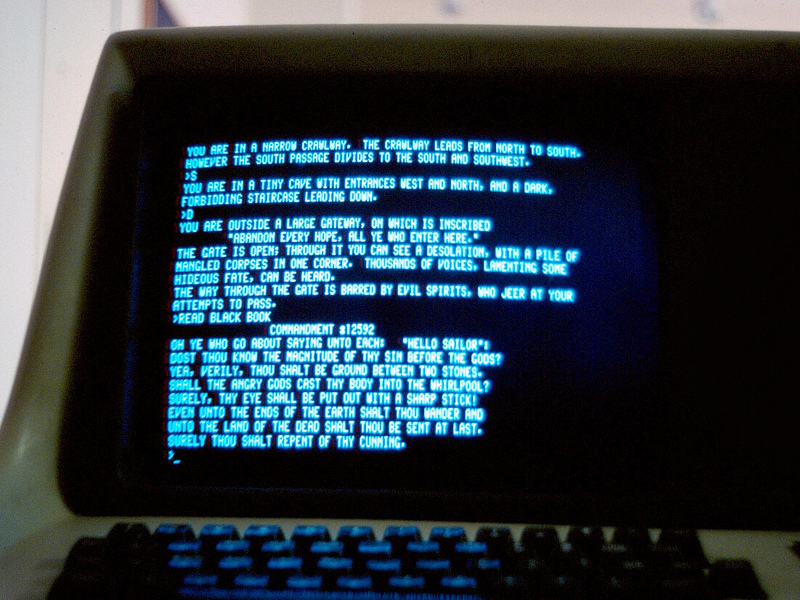
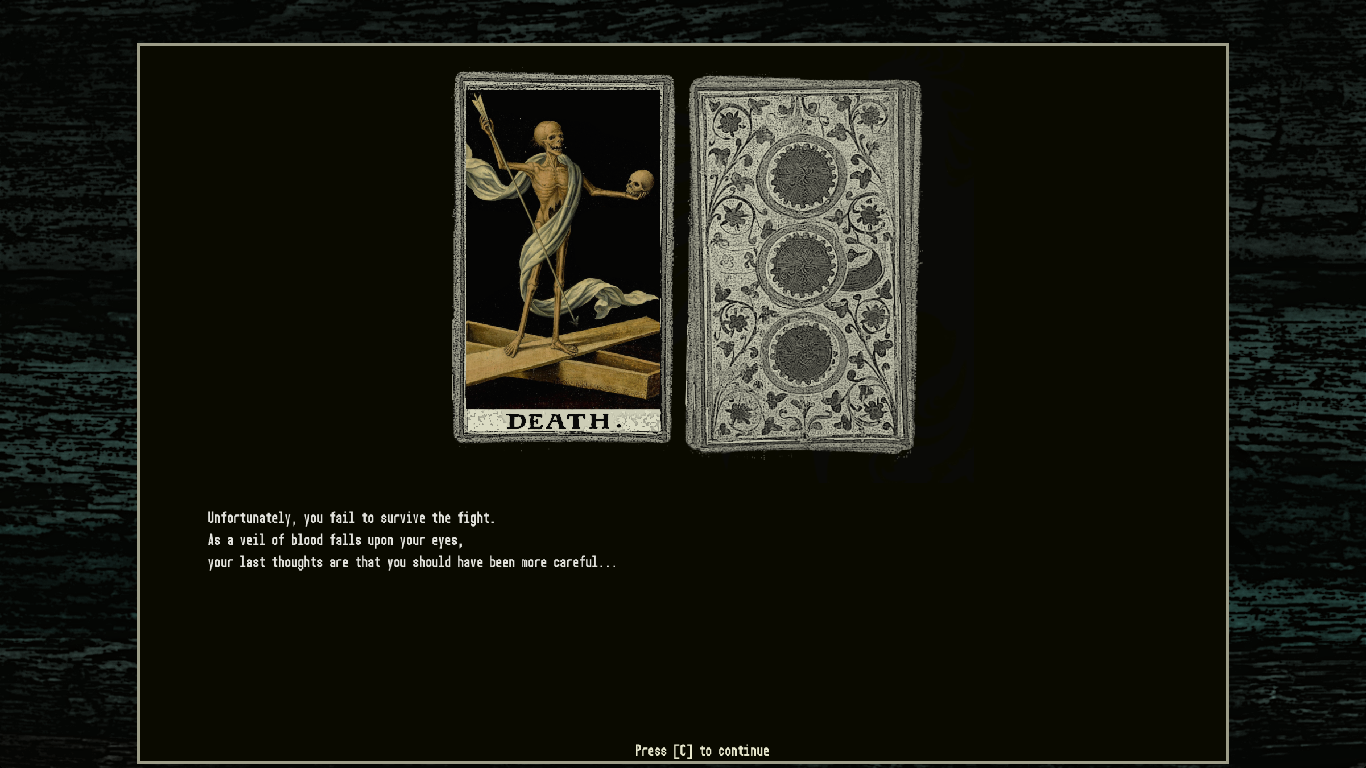
By design, The Empire of Death’s mechanics evoke a classic, old-school feel: you may die frequently early in the game, learning through trial and error, and even high-level characters won’t necessarily feel safe. Consulting the manual can significantly improve your chances of survival.
Characters
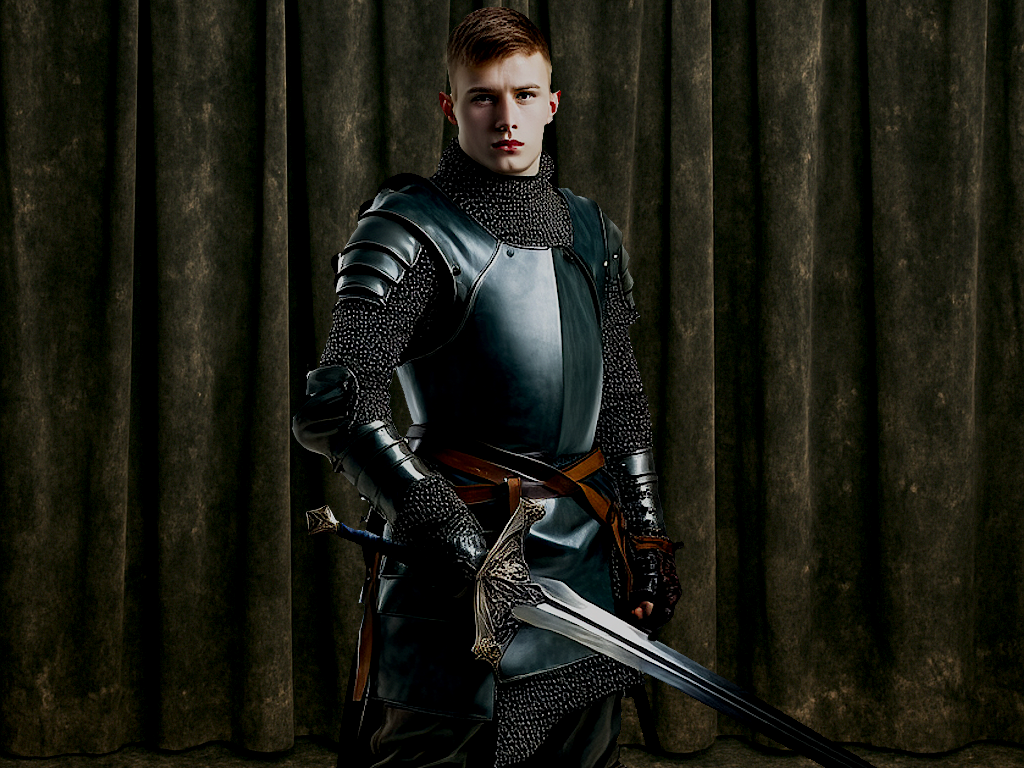
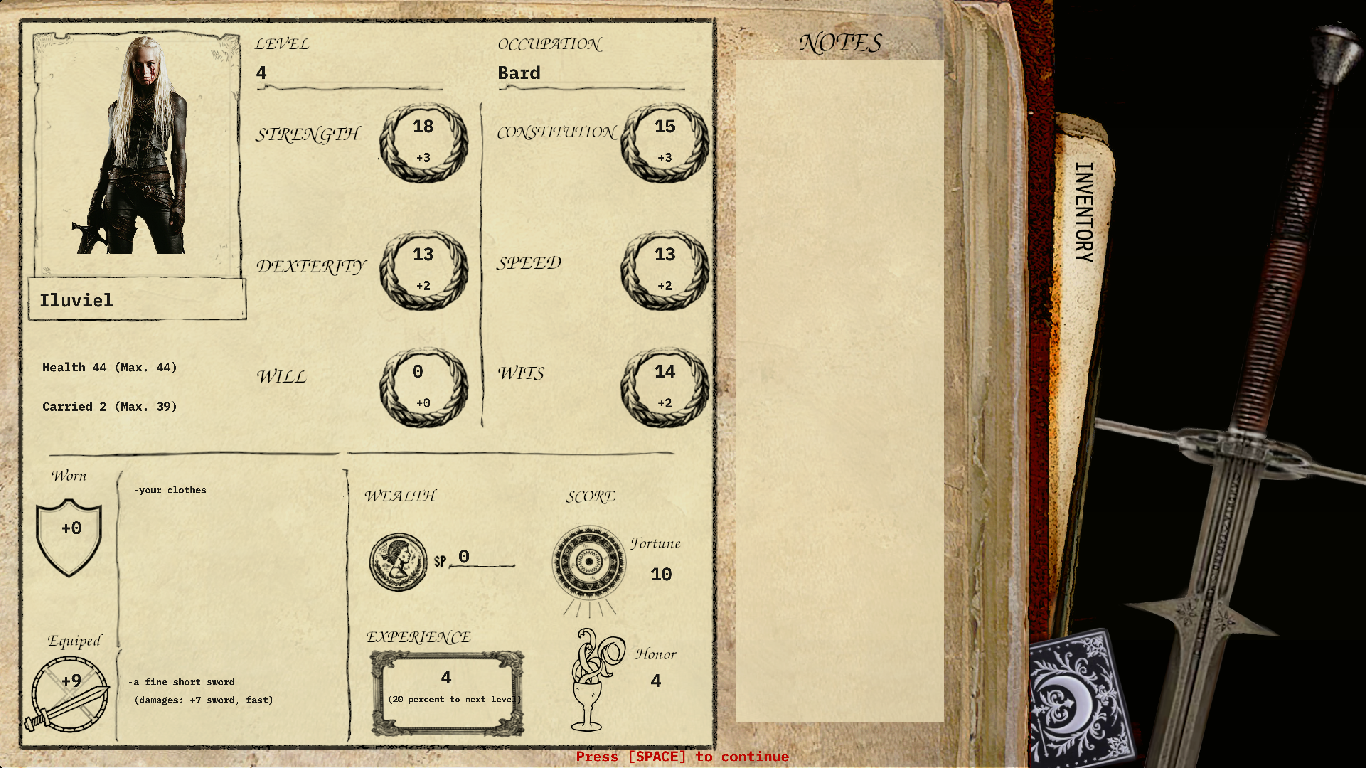
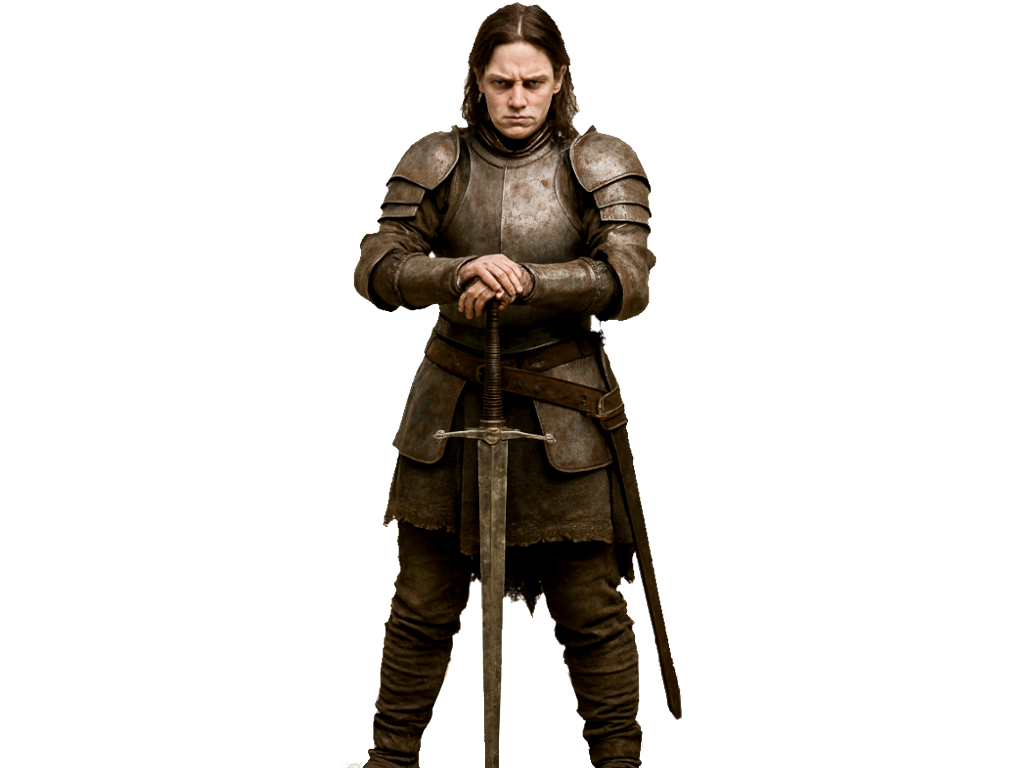
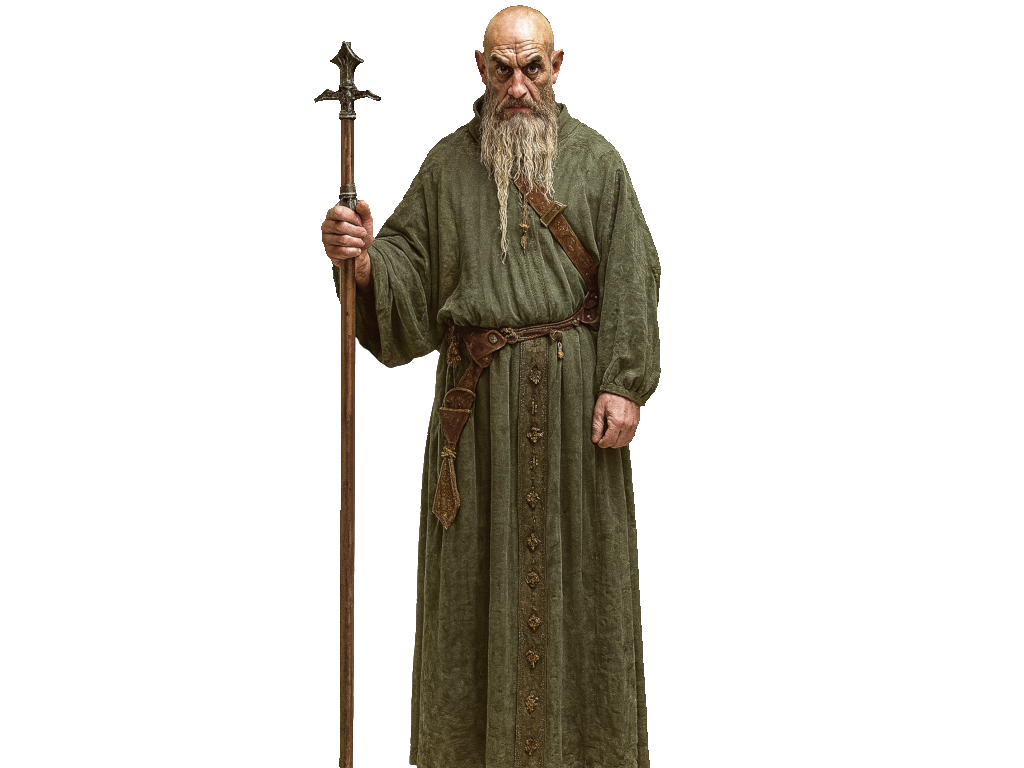
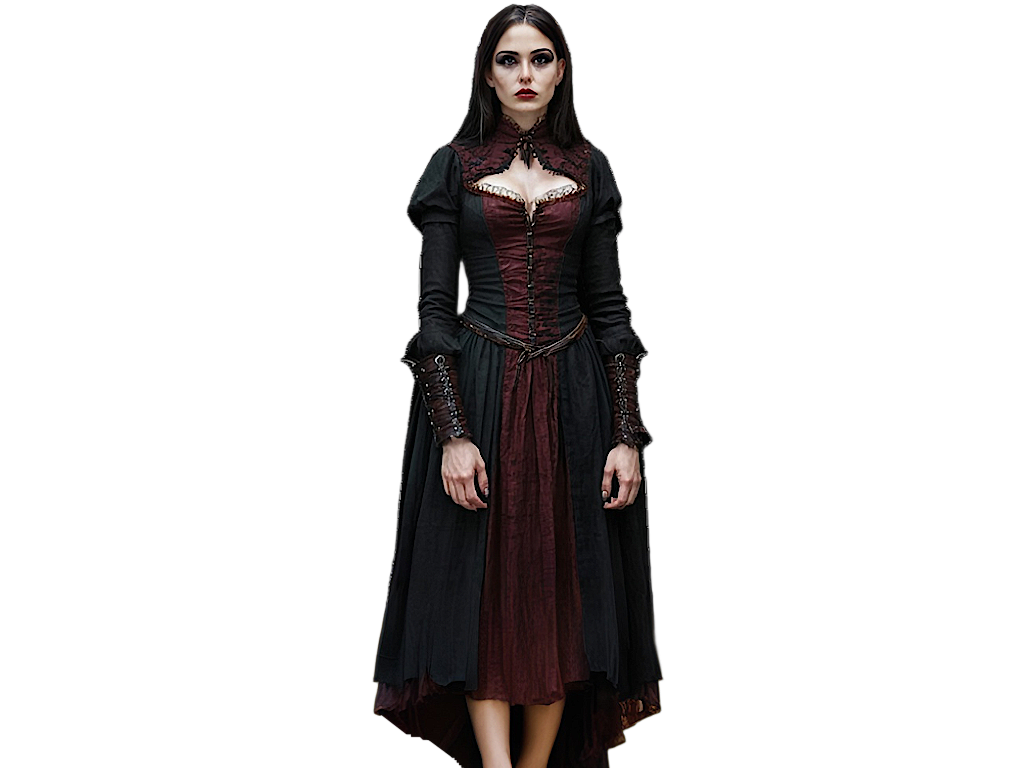
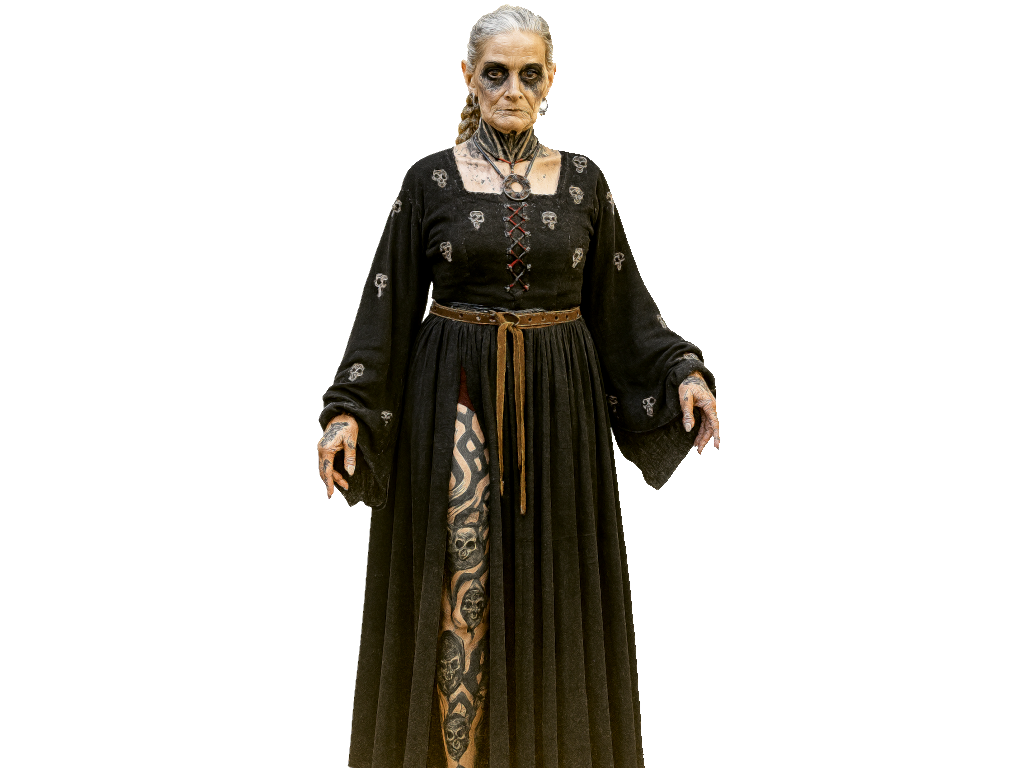
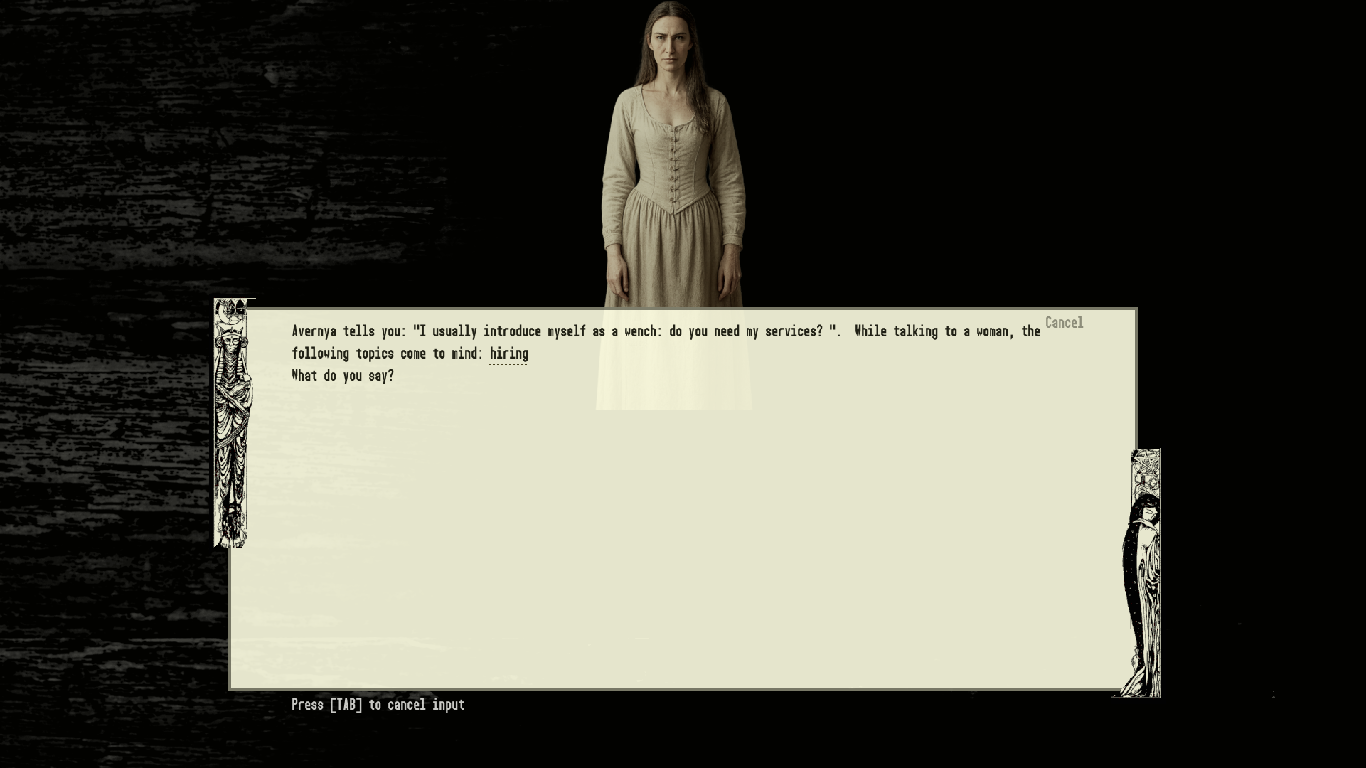
Characters are free-form, with no fixed classes, and all—whether NPCs or PCs—follow the same mechanics.
Each character has six uncapped attributes, grouped in pairs: Strength/Constitution, Dexterity/Speed, and Wits/Will. Social skills, however, are not quantified numerically, as they depend on in-game choices and actions.
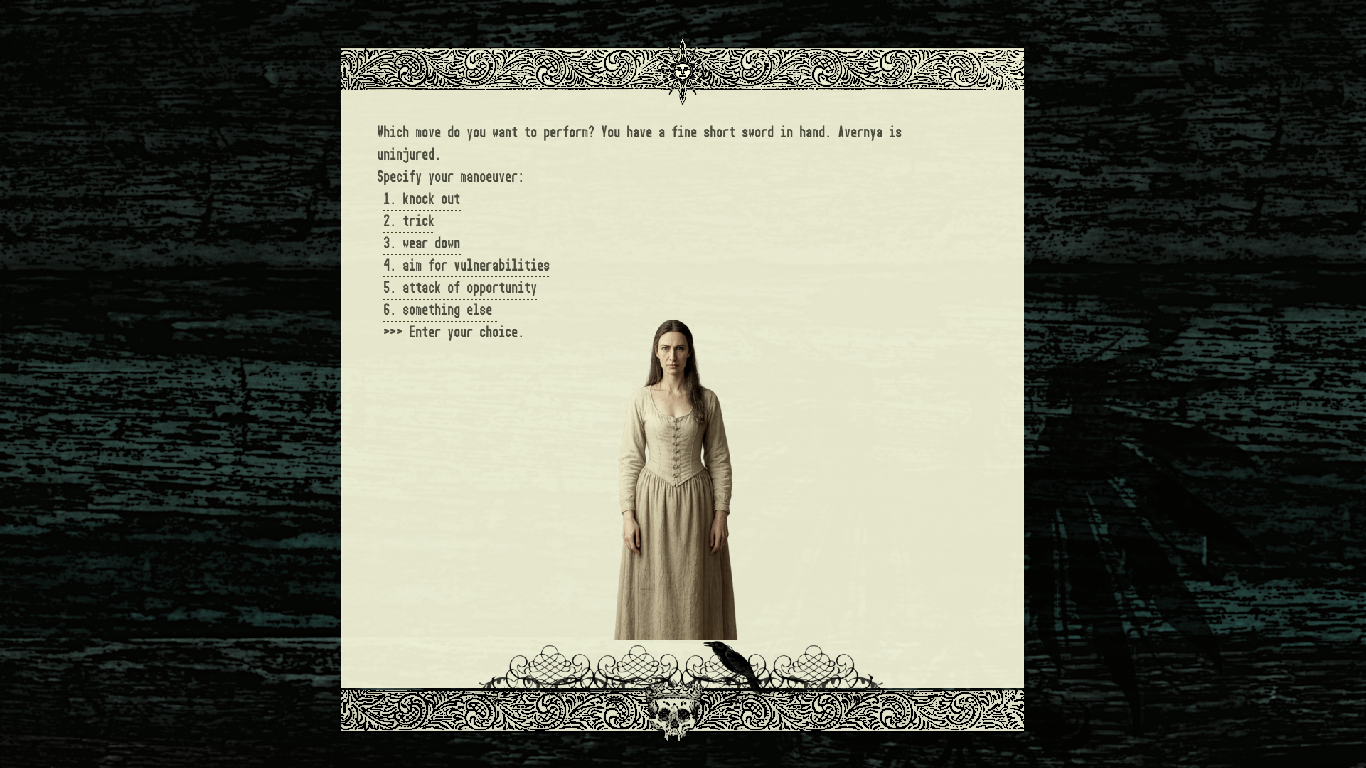
Additionally, characters may possess traits, representing natural strengths, flaws, extraordinary skills, or rare knowledge. These traits grant bonuses or penalties to rolls or enable unique actions, such as special combat maneuvers. Certain unique traits are also required to unlock specific sections of the game.
Equipment
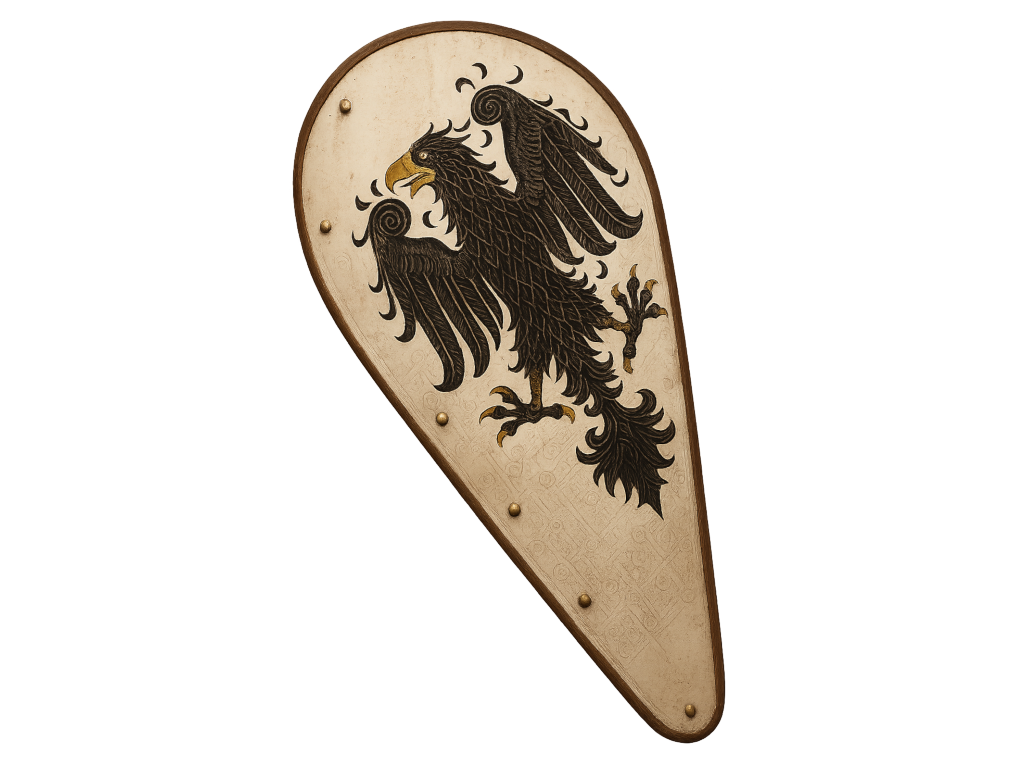
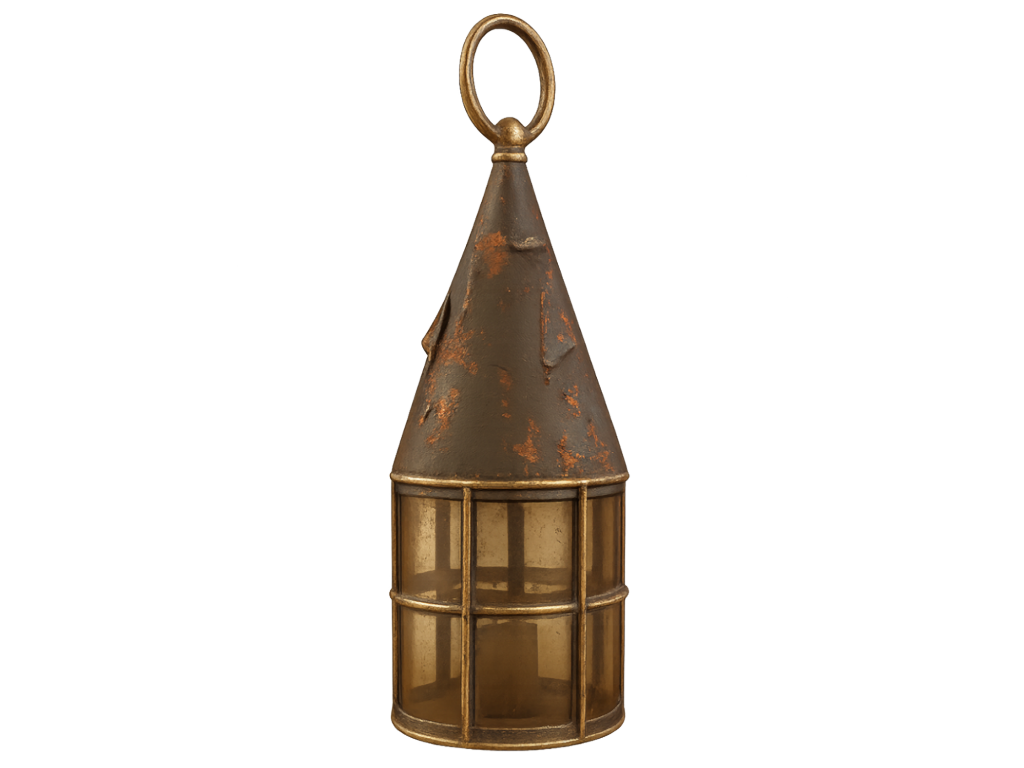
The Empire of Death demands mastery of diverse equipment to ensure survival in its treacherous world. From rudimentary tools to finely crafted weapons, each item plays a critical role in overcoming the game’s challenges. Success hinges on understanding and adapting to the tools at your disposal, making equipment a cornerstone of your journey through this grim landscape.
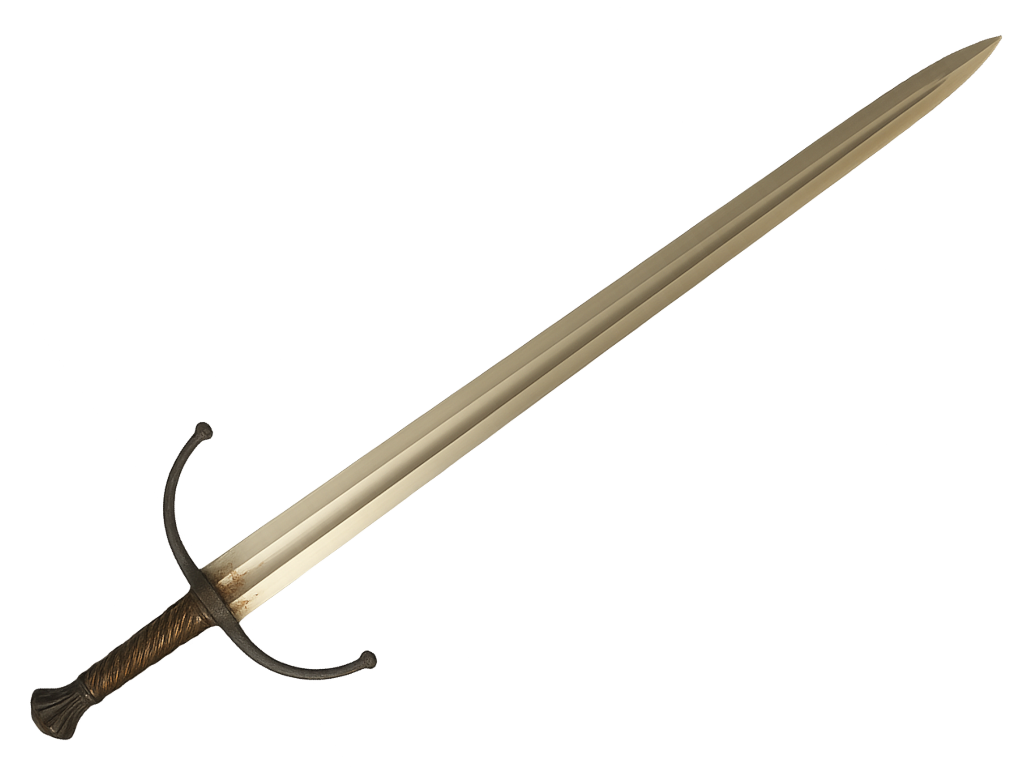
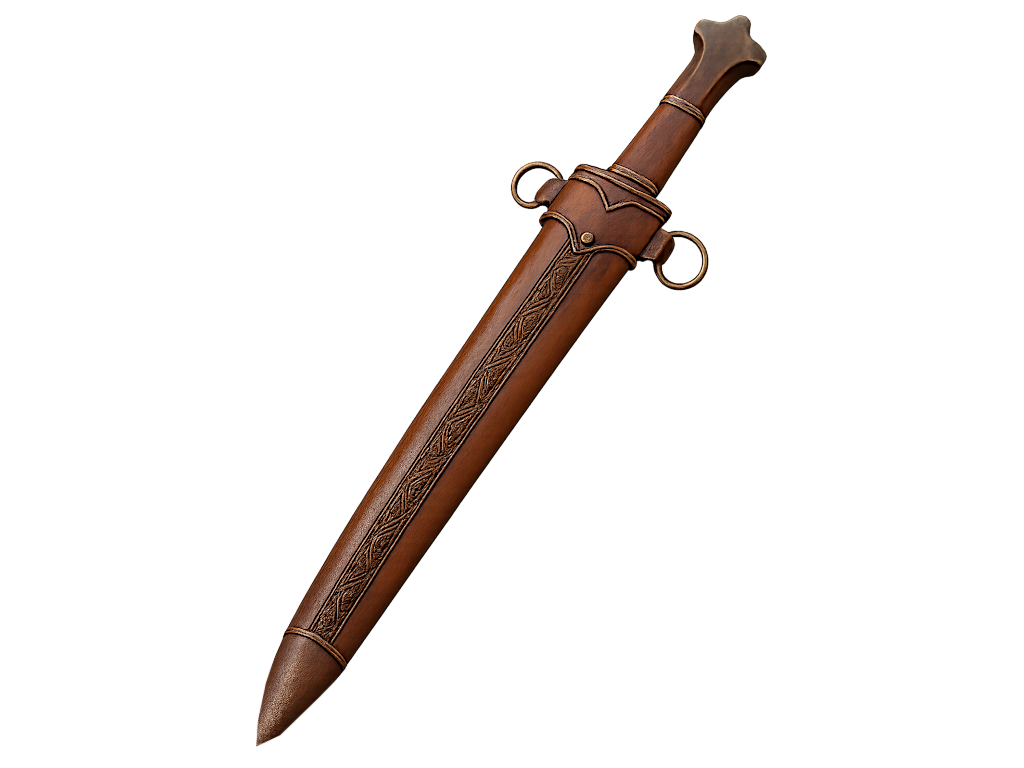
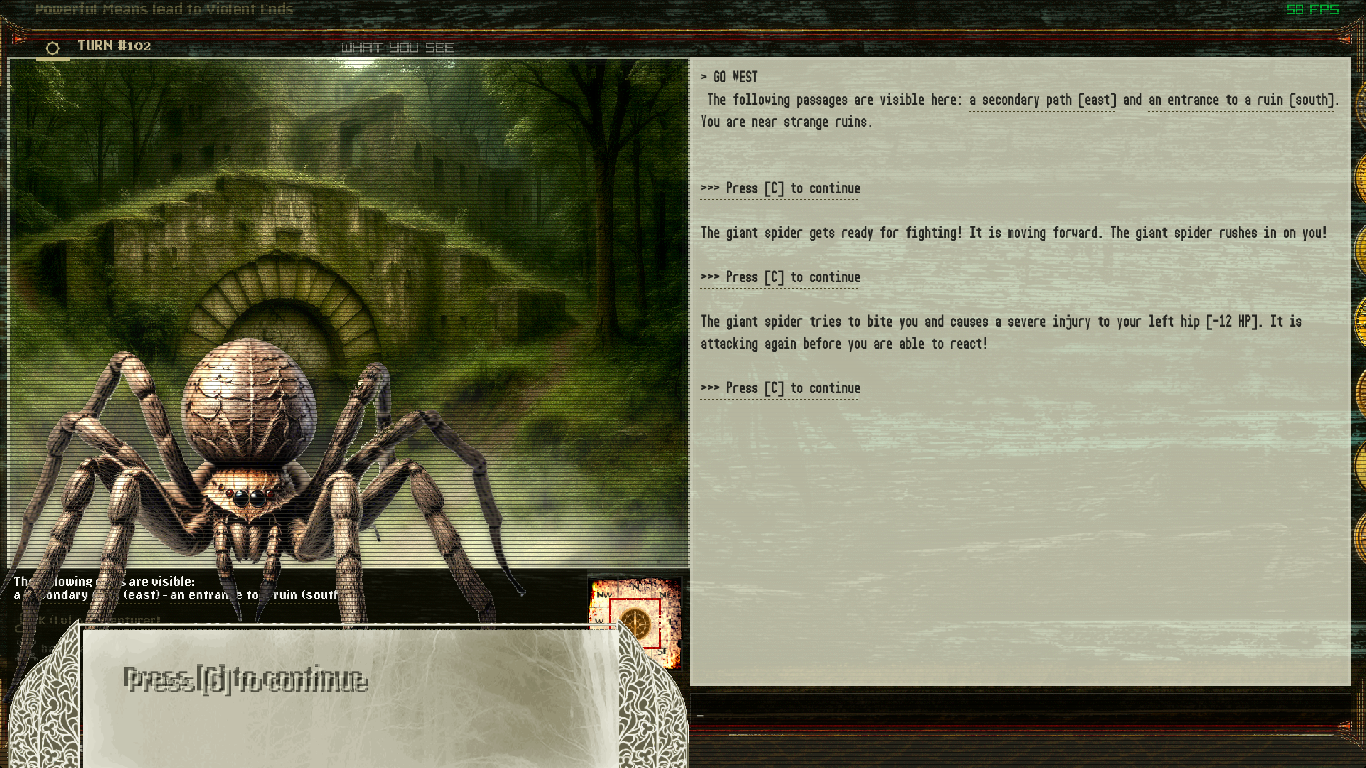
Weapons, like most items, are categorized into "classes" that significantly influence gameplay outcomes. A blade excels against human-shaped foes, while an axe or mace proves essential for shattering the thick chitin of a giant insect. A spear, meanwhile, is ideal for receiving a charge. Much like characters, equipment can possess traits—such as swift, warm, or poisonous—granting unique advantages. For example, a heavy axe might allow a decisive beheading, whereas a swift blade could inflict bleeding wounds to exhaust an opponent over time.
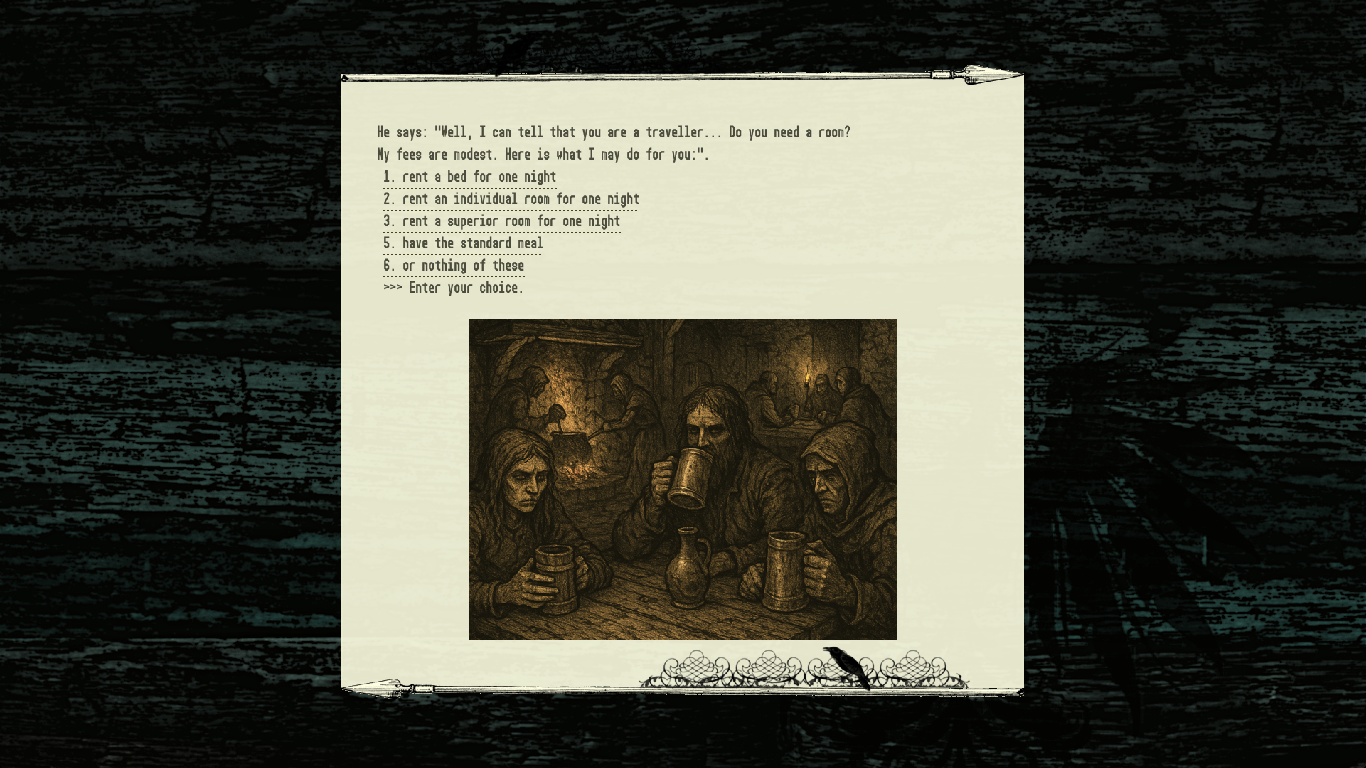
Crafting is possible, requiring careful selection of materials: building a shelter demands different wood than crafting a bow, while cooking necessitates an appropriate recipient and ingredients, with nourishment varying accordingly. Scattered throughout the world, a few unique magical items await discovery, hidden in the depths of ancient castles or clutched by powerful priests. Lastly, the quality of your equipment, the condition of your steed, and the weight of your purse shape how others perceive you, subtly influencing interactions and alliances in this unforgiving realm.
Progression
Character progression is driven by experience points, earned in one of three categories tied to attribute pairs: raw physical power and resilience, speed and finesse, or intellectual and social prowess. Accumulating enough points grants a new experience level, increasing health (survivability) and offering a chance to improve a related attribute. Higher levels require more points to progress. New traits are acquired in-game based on specific situations and choices.
Magic
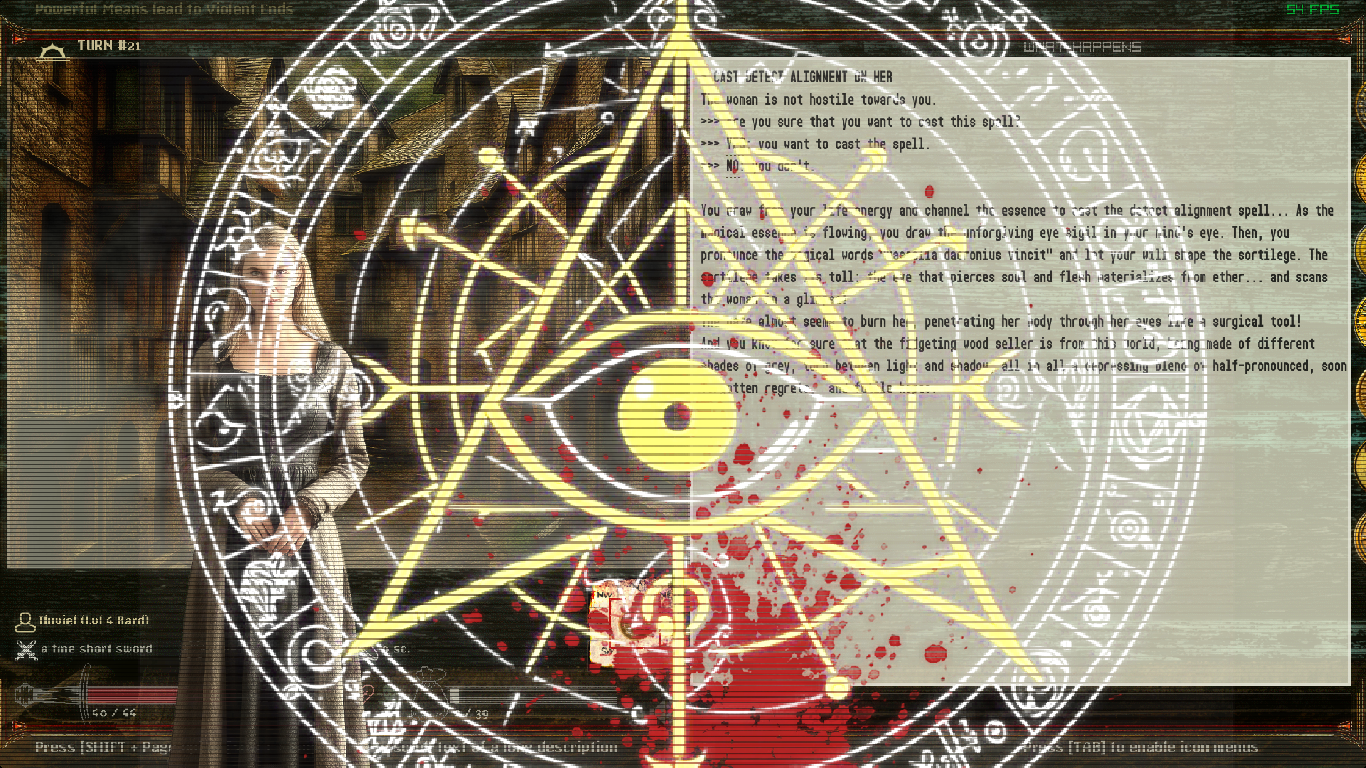
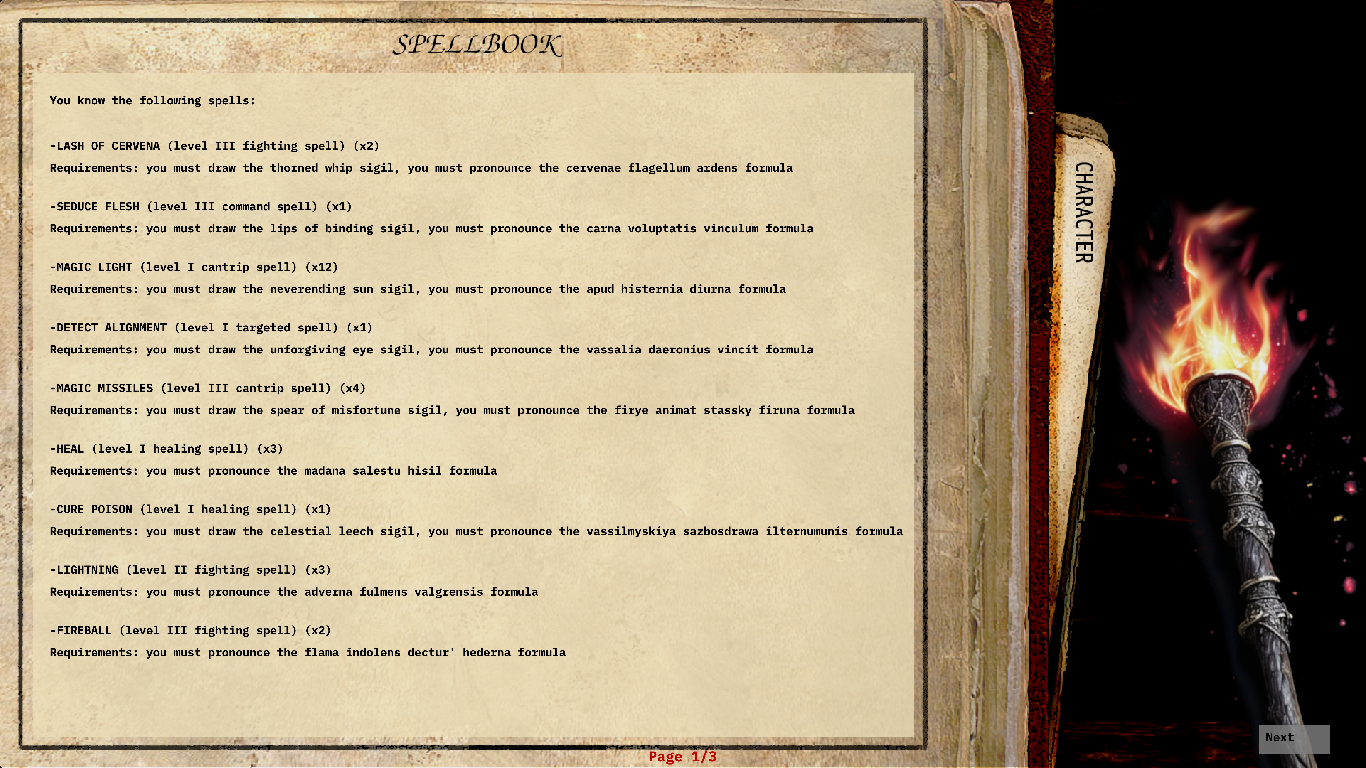
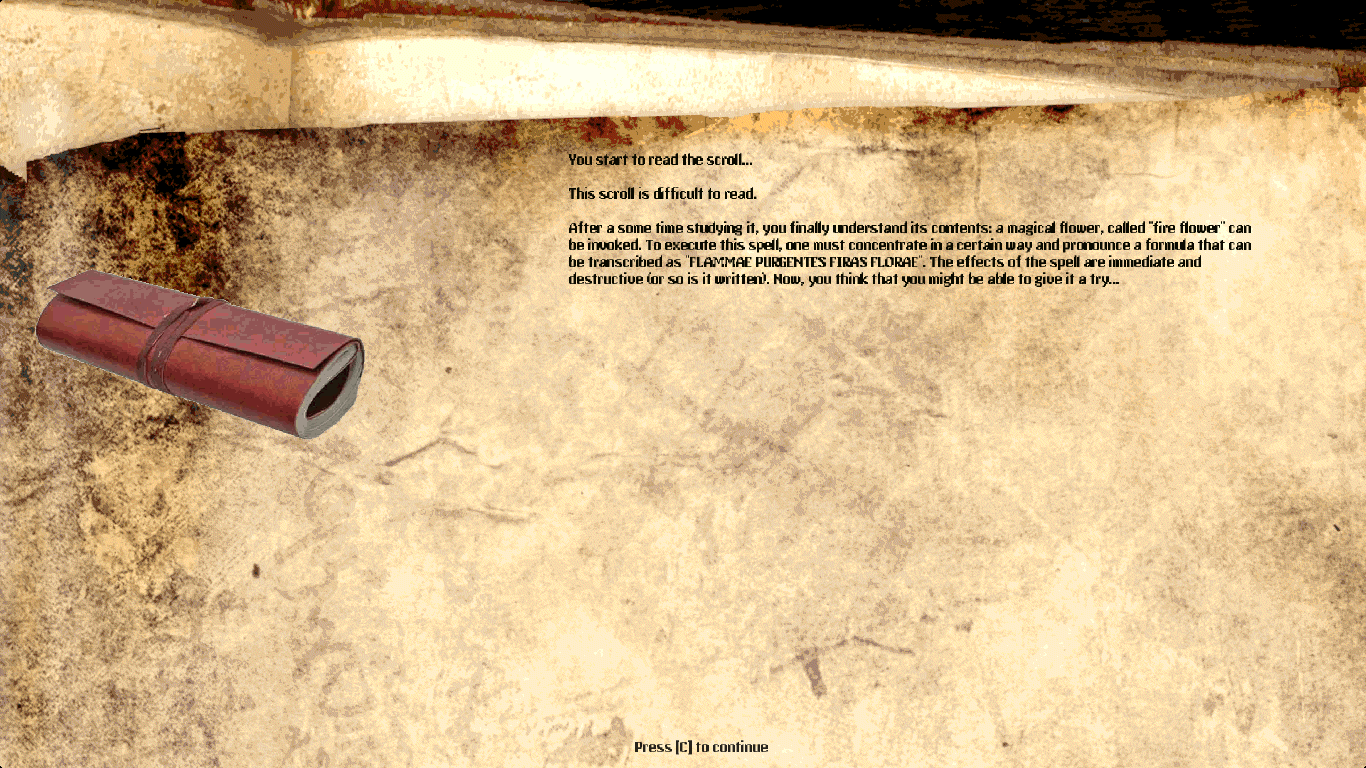
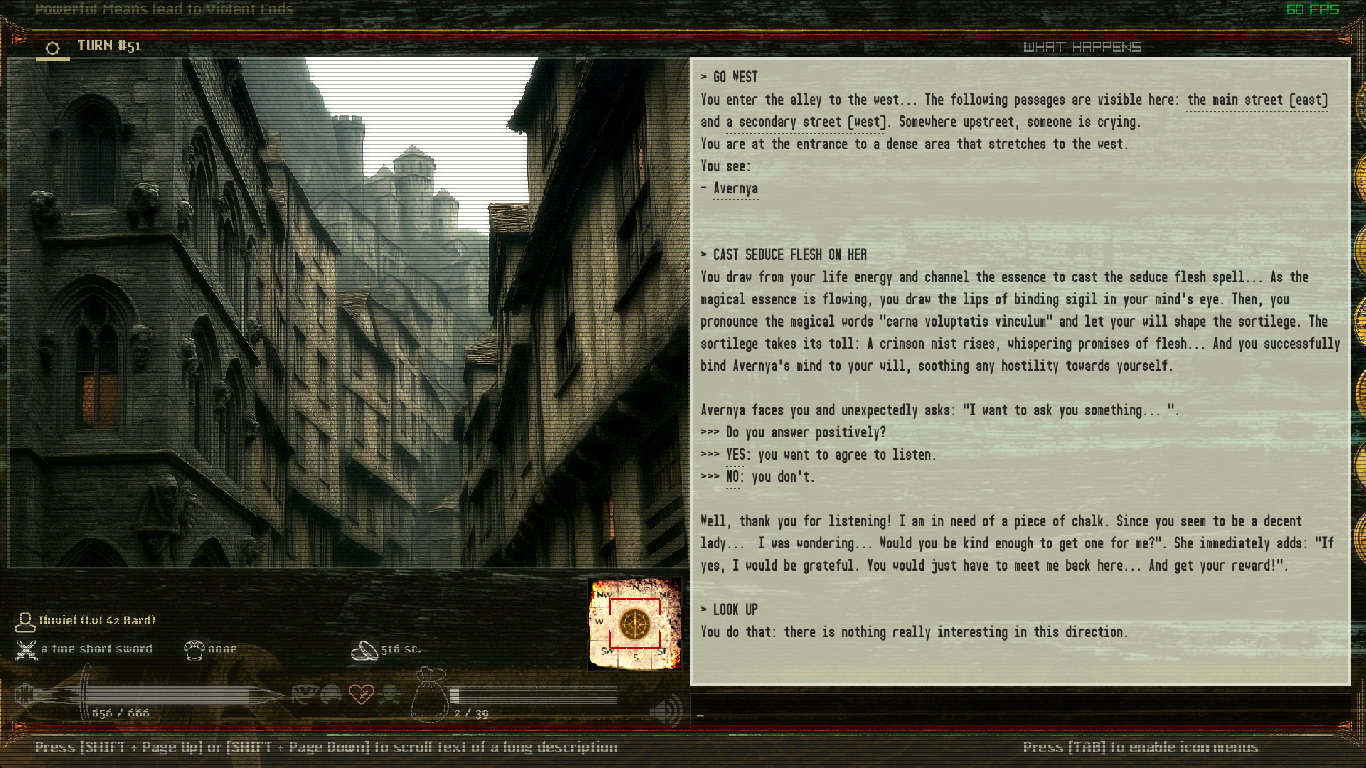
Magic is a rare and perilous force, once dominant in the distant past. Spells combine sigils, words of power, and, for some, special ingredients, which must be discovered and learned in-game.
Three types of magic exist: minor powers granted by worshipping gods or supernatural entities, spells codified during the ancient First Empire, and dark—or blood—magic rooted in Entropy. This forbidden lore consumes bodies and souls and is considered a scourge upon humanity.